Love this? Save it for later!
Share the inspiration with your friends
My neighbor Frank asked why I couldn’t just mash the bananas with a fork instead of hauling out the stand mixer. I started to explain why that wouldn’t work — then stopped. He was holding a cup of coffee with this patient look, like he’d already seen the answer and was just waiting for me to catch up.
Honestly, I’d been making banana bread the hard way for years. Dragging the mixer onto the counter, washing the paddle attachment, pretending I needed all that machinery for something that’s basically a quick bread. Frank’s question sat with me all afternoon. I mean, the man gardens in loafers and makes his own pie crust with a pastry cutter his grandmother gave him. Maybe he knew something I didn’t.
So the next batch, I tried his way. Fork in hand, three overripe bananas, a wooden spoon, and the quiet hum of nothing but my own two arms doing the work. And you know what? It was better. Not just easier — better. The texture was somehow more tender, more Southern, more like the banana bread I remembered from church potlucks and Sunday mornings at my aunt’s house. The batter came together in about four minutes flat, and I didn’t have to wash a single electrical cord.
That was two summers ago. I’ve made this classic Southern banana bread at least twice a month since then, and I haven’t touched the mixer once. Let me tell you — there’s something about making banana bread by hand that changes it. Maybe it’s the gentleness of the mixing, or maybe it’s just the satisfaction of knowing you don’t need fancy tools to create something truly memorable.
Why You’ll Love This Recipe
This isn’t just another banana bread recipe floating around the internet. This is the one that will earn a permanent spot in your recipe box — the one your family will start requesting by name. Here’s why it stands out from the crowd:
- No Mixer Required: You don’t need a stand mixer, hand mixer, or any fancy equipment. Just a bowl, a fork, and a wooden spoon. That’s it.
- Simple Ingredients: Everything in this recipe is a pantry staple. No weird extracts, no hard-to-find flours, no specialty items that require a trip to three different stores.
- Perfect for Busy Mornings: This bread comes together in under 15 minutes of active prep. Pop it in the oven while you get ready for work, and you’ll have warm banana bread waiting for your coffee break.
- Crowd-Pleaser Guaranteed: I’ve brought this to church socials, neighborhood block parties, and family reunions. It disappears faster than anything else on the table — and I’ve seen people fight over the end pieces.
- Unbelievably Moist: The hand-mixing method creates a tender, moist crumb that machine mixing just can’t replicate. It’s the kind of banana bread that stays soft for days — if it lasts that long.
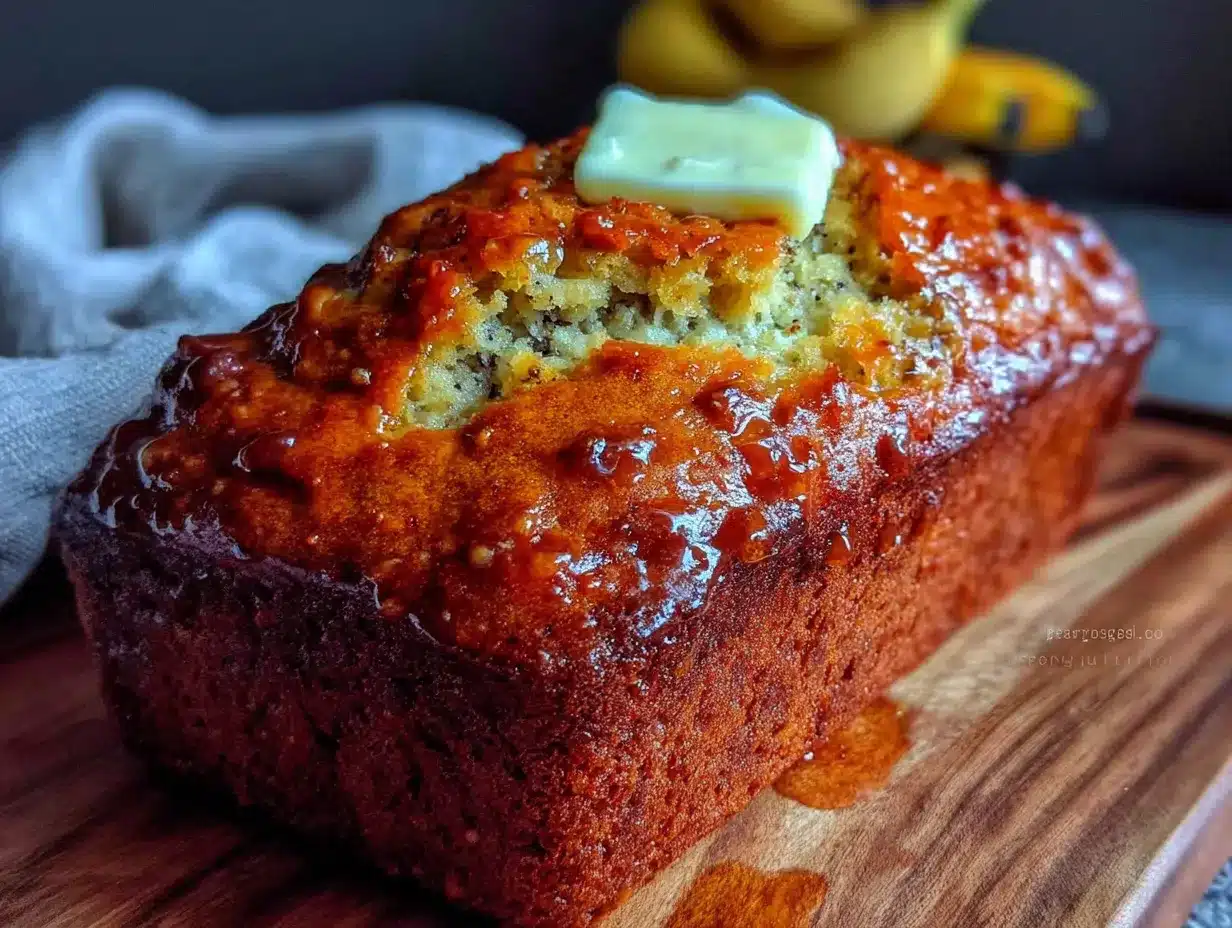
What makes this recipe different is the technique. Most banana bread recipes tell you to cream butter and sugar together, which requires a mixer. This one uses melted butter and a gentle hand-mixing approach that produces a denser, more traditional Southern-style bread. It’s the kind of bread that makes you close your eyes after the first bite — the kind that tastes like home, even if you’ve never stepped foot in the South.
What Ingredients You Will Need
This recipe uses simple, honest ingredients that work together to create something greater than the sum of their parts. Most of these are probably in your kitchen right now — that’s the beauty of classic Southern banana bread.
For the Banana Bread
- 3 large ripe bananas, mashed (about 1½ cups) — The riper the better. Look for bananas with plenty of brown spots; they’re sweeter and easier to mash. I’ve found that bananas that are almost black on the outside produce the most flavorful bread.
- ⅓ cup unsalted butter, melted (75 grams) — Melting the butter instead of creaming it is what makes this recipe work without a mixer. I prefer unsalted so I can control the salt level, but salted butter works fine — just reduce the added salt by ¼ teaspoon.
- ¾ cup granulated sugar (150 grams) — Regular white sugar gives the bread a clean sweetness. You can substitute coconut sugar or brown sugar for a deeper flavor, but the texture will be slightly denser.
- 1 large egg, room temperature — Room temperature egg incorporates more easily into the melted butter. If you forgot to take it out of the fridge, place it in a bowl of warm water for 5 minutes.
- 1 teaspoon vanilla extract — Pure vanilla extract makes a noticeable difference. I use McCormick or Nielsen-Massey, but any brand works fine.
- 1½ cups all-purpose flour (190 grams) — Spoon and level your flour for the most accurate measurement. Scooping directly from the bag can pack in too much flour and make the bread dry.
- 1 teaspoon baking soda — This is your leavening agent. Make sure it’s fresh — test it by dropping a bit into vinegar; it should fizz immediately.
- ¼ teaspoon salt — Salt balances the sweetness and enhances the banana flavor. Don’t skip it!
- ½ teaspoon ground cinnamon (optional but recommended) — Adds warmth and depth. I never make this bread without it.
Optional Add-Ins
- ½ cup chopped pecans or walnuts — Toast them first for extra flavor. Spread on a baking sheet at 350°F for 5-7 minutes.
- ½ cup chocolate chips — Semi-sweet or dark chocolate pairs beautifully with banana. I prefer Ghirardelli or Guittard.
- ¼ cup shredded coconut — Adds texture and a subtle tropical note.
Equipment Needed
The beauty of this recipe is that you probably already own everything you need. No fancy gadgets required — just basic kitchen tools that have been around for generations.
- Large mixing bowl — Any size works, but a 2-quart bowl gives you enough room to mix without splattering. I use a simple Pyrex glass bowl.
- Fork or potato masher — For mashing the bananas. A fork works perfectly and is easier to clean.
- Wooden spoon or rubber spatula — For mixing the batter. A wooden spoon feels right for Southern cooking, but a silicone spatula works just as well.
- 9×5-inch loaf pan — Standard size for banana bread. Glass, metal, or ceramic all work — just adjust baking time slightly if using glass (it conducts heat differently).
- Parchment paper — Optional but helpful for easy removal. I like to leave an overhang on two sides to use as handles.
- Cooling rack — Allows air to circulate around the bread so it cools evenly. If you don’t have one, you can use the inverted loaf pan trick (just be careful).
- Measuring cups and spoons — For accurate measurements. Liquid measuring cups for wet ingredients, dry measuring cups for flour and sugar.
If you don’t have a loaf pan, you can bake this in an 8×8-inch square pan — just reduce the baking time by about 10 minutes and keep an eye on it. I’ve also used a cast iron skillet in a pinch, and honestly, it gave the bread a gorgeous crust.
Preparation Method
This is where the magic happens. Follow these steps carefully, and you’ll have the best banana bread of your life — no mixer needed.
- Preheat your oven to 350°F (175°C). Position the rack in the center of the oven. While it’s heating, grease your 9×5-inch loaf pan with butter or cooking spray. For extra insurance, line it with parchment paper, leaving a 2-inch overhang on the long sides.
- Mash the bananas. Place your three ripe bananas in a large mixing bowl. Using a fork or potato masher, mash them until they’re mostly smooth with a few small lumps remaining. You want some texture — completely smooth bananas can make the bread dense. The bananas should be very soft and almost liquid. If they’re still firm, they’re not ripe enough.
- Add the melted butter. Pour the melted butter over the mashed bananas and stir with your wooden spoon until combined. The butter should be warm but not hot — if it’s too hot, it might cook the egg later. Let it cool for a minute if needed.
- Mix in the sugar, egg, and vanilla. Add the granulated sugar and stir until well incorporated. Then crack in the room-temperature egg and add the vanilla extract. Stir until everything is smooth and glossy. The mixture should look like a thin, golden batter at this point.
- Combine the dry ingredients separately. In a small bowl, whisk together the all-purpose flour, baking soda, salt, and cinnamon (if using). This ensures the baking soda is evenly distributed — nobody wants a pocket of baking soda in their banana bread.
- Fold the dry ingredients into the wet ingredients. Add the flour mixture to the banana mixture. Use a gentle folding motion — cut through the center, scrape along the bottom, and bring the batter up and over. Stop as soon as the flour disappears. Overmixing develops gluten and makes the bread tough. A few streaks of flour are fine; they’ll disappear as the bread bakes.
- Fold in any add-ins. If you’re using pecans, chocolate chips, or coconut, gently fold them in now. Reserve a handful to sprinkle on top if you want a pretty presentation.
- Pour the batter into the prepared pan. Scrape every last bit out of the bowl — it’s too good to waste. Smooth the top with your spatula. If you reserved any add-ins, sprinkle them evenly over the top now.
- Bake for 55-65 minutes. Place the pan in the preheated oven and bake until a toothpick inserted into the center comes out clean or with just a few moist crumbs. The top should be golden brown and cracked. If the top is browning too quickly (after about 40 minutes), tent loosely with aluminum foil.
- Cool in the pan for 10 minutes. Set the pan on a cooling rack. After 10 minutes, use the parchment paper to lift the bread out of the pan. Transfer it to the cooling rack to cool completely — at least 1 hour. I know it’s tempting to slice it warm, but it needs time to set. Warm banana bread tends to crumble.
Cooking Tips & Techniques
After making this classic Southern banana bread dozens of times, I’ve learned a few things the hard way. Here are my best tips to guarantee success every time.
Don’t overmix the batter. This is the most common mistake I see. When you overmix, you develop too much gluten, and your banana bread turns out tough and rubbery instead of tender and soft. Mix just until the flour disappears — a few lumps are perfectly fine. I learned this lesson after making a loaf that could have doubled as a doorstop.
Use the ripest bananas you can find. I’m talking brown spots, almost black skin, bananas that your family thinks are too far gone. Those bananas are at peak sweetness and flavor. If your bananas aren’t ripe enough, you can speed things up by baking them at 300°F for 15-20 minutes until the skins turn black, then letting them cool before mashing. I’ve done this in a pinch, and it works surprisingly well.
Check for doneness with a thermometer. The toothpick test is reliable, but an instant-read thermometer is even better. Banana bread is perfectly done when the internal temperature reaches 200-205°F (93-96°C). This takes the guesswork out of baking and ensures you don’t end up with a gummy center.
Let it cool completely before slicing. I know, I know — warm banana bread is heavenly. But if you slice it too soon, it will crumble and fall apart. The bread continues to set as it cools. I usually make my banana bread in the evening and let it cool overnight for perfect slices the next morning.
Room temperature ingredients matter. Your egg should be at room temperature so it incorporates smoothly into the melted butter. Cold egg can cause the butter to seize up, creating a lumpy batter. If you forgot to plan ahead, place the egg in a bowl of warm water for 5 minutes before using.
Variations & Adaptations
One of the best things about this classic Southern banana bread is how adaptable it is. Here are some of my favorite variations, each one tested and approved.
Gluten-Free Banana Bread: Substitute the all-purpose flour with a good 1:1 gluten-free baking flour blend. I’ve had excellent results with Bob’s Red Mill 1-to-1 Baking Flour. Add 1 teaspoon of xanthan gum if your blend doesn’t already include it. The texture will be slightly more tender, but the flavor is spot on.
Vegan Banana Bread: Replace the egg with a flax egg (1 tablespoon ground flaxseed mixed with 3 tablespoons water, let sit for 5 minutes) and use coconut oil or vegan butter instead of regular butter. The bread will be a bit denser but still delicious. I’ve made this version for friends with dietary restrictions, and nobody could tell the difference.
Chocolate Swirl Banana Bread: Melt ½ cup semi-sweet chocolate chips with 1 tablespoon coconut oil. After pouring the batter into the pan, dollop the melted chocolate on top and swirl it through with a knife. This creates beautiful ribbons of chocolate throughout the bread. My niece requests this version every time she visits.
Brown Sugar Banana Bread: Replace the granulated sugar with packed brown sugar for a deeper, more caramel-like flavor. The bread will be slightly darker and more moist. This is my go-to version during fall and winter — it pairs perfectly with a hot cup of apple cider.
Spiced Banana Bread: Add ½ teaspoon nutmeg, ¼ teaspoon ground ginger, and a pinch of cloves along with the cinnamon. This warming spice blend transforms the bread into something that tastes like the holidays. I make this version for Thanksgiving breakfast every year.
Serving & Storage Suggestions
This banana bread is incredibly versatile when it comes to serving. Here’s how I like to enjoy it, along with tips for keeping it fresh.
Serving Temperature: Banana bread is delicious at any temperature, but I prefer it at room temperature or slightly warm. If you want to warm it up, pop a slice in the microwave for 10-15 seconds or toast it in a buttered skillet for 2 minutes per side. Toasting brings out the nutty flavors and creates a slightly crispy exterior.
Perfect Pairings: A slice of this banana bread is wonderful on its own, but it’s even better with a pat of butter melting into the warm crumb. For a special treat, spread on some cream cheese, honey butter, or even a dollop of whipped cream. It pairs beautifully with coffee, tea, or a cold glass of milk. For brunch, serve it alongside scrambled eggs and fresh fruit for a complete meal.
Storage: Store leftover banana bread wrapped tightly in plastic wrap or aluminum foil at room temperature for up to 4 days. I like to wrap it in a clean kitchen towel and place it in a bread box — this keeps the crust from getting too soft. Do not refrigerate banana bread; the cold air will dry it out and make it stale faster.
Freezing: This banana bread freezes beautifully. Wrap the cooled loaf (or individual slices) tightly in plastic wrap, then again in aluminum foil, and place in a freezer-safe bag. It will keep for up to 3 months. To thaw, leave it at room temperature for a few hours or microwave individual slices for 20-30 seconds. I always keep a loaf in the freezer for unexpected guests or late-night cravings.
Flavor Development: Here’s a secret — banana bread actually tastes better the next day. The flavors have time to meld and deepen, and the texture becomes even more moist. If you can resist the temptation, let your banana bread rest overnight before slicing. The wait is worth it.
Nutritional Information & Benefits
While banana bread is certainly a treat, it does offer some nutritional benefits — especially when you consider what’s in it. Here’s a rough breakdown per slice (based on 10 slices per loaf, without add-ins).
| Nutrient | Amount Per Slice |
|---|---|
| Calories | 215 |
| Total Fat | 8g |
| Saturated Fat | 5g |
| Cholesterol | 35mg |
| Sodium | 220mg |
| Total Carbohydrates | 34g |
| Dietary Fiber | 2g |
| Sugars | 17g |
| Protein | 3g |
Bananas are a good source of potassium, vitamin B6, and vitamin C. They also contain natural sugars that provide quick energy. The eggs add protein, and the butter provides vitamin A. If you use whole wheat flour instead of all-purpose, you’ll add fiber and additional nutrients.
For a lighter version, you can reduce the sugar to ½ cup, substitute applesauce for half the butter, or use a sugar substitute like monk fruit sweetener. The texture will be slightly different, but the banana flavor will still shine through.
This recipe is naturally nut-free if you skip the pecans, and it can easily be made dairy-free by using plant-based butter. Always check your ingredient labels if you’re cooking for someone with allergies.
Conclusion
This classic Southern banana bread has become a staple in my kitchen for good reason. It’s simple, forgiving, and produces consistently delicious results without any fancy equipment or complicated techniques. The hand-mixing method creates a tender, moist crumb that machine mixing just can’t replicate — and it takes less time to clean up afterward.
What I love most about this recipe is how it brings people together. I’ve made it for neighbors going through tough times, for new moms who needed a meal, and for family gatherings where it disappeared before the main course was served. It’s the kind of recipe that becomes part of your story — the one people ask you to bring to every potluck and holiday gathering.
I hope you’ll try this recipe and make it your own. Add your favorite mix-ins, adjust the sweetness to your liking, and don’t be afraid to experiment. The best banana bread is the one that tastes like home to you. When you make it, drop a comment below and let me know how it turned out — I love hearing about your kitchen adventures!
Happy baking, friends. Your mixer can take the day off.
Frequently Asked Questions
Can I use frozen bananas for this recipe?
Absolutely! Frozen bananas work wonderfully. Thaw them completely, then drain off any excess liquid before mashing. The thawing process actually makes them even softer and easier to mash. I often freeze overripe bananas specifically for banana bread.
Why did my banana bread sink in the middle?
This usually happens for one of three reasons: the bread was underbaked, the oven temperature was too low, or the batter was overmixed. Make sure your oven is properly preheated to 350°F and test for doneness with a toothpick or thermometer. Underbaked banana bread will collapse as it cools.
Can I make this recipe into muffins?
Yes, this batter makes excellent muffins. Divide the batter among 12 greased muffin cups and bake at 350°F for 18-22 minutes, or until a toothpick comes out clean. Muffins bake faster than a loaf, so start checking at 15 minutes. They’re perfect for grab-and-go breakfasts.
How do I make my banana bread extra moist?
The key to moist banana bread is using very ripe bananas and not overbaking. Bananas with plenty of brown spots have more moisture and natural sweetness. Also, be careful not to overmix the batter, and remove the bread from the oven as soon as it tests done. Overbaking is the number one cause of dry banana bread.
Can I reduce the sugar in this recipe?
You can reduce the sugar to ½ cup without significantly affecting the texture. Keep in mind that the bananas contribute natural sweetness, so the bread will still be sweet enough for most people. If you reduce the sugar further, the bread may be slightly less tender. I’ve made it with ½ cup sugar many times, and it’s always been delicious.
Pin This Recipe!
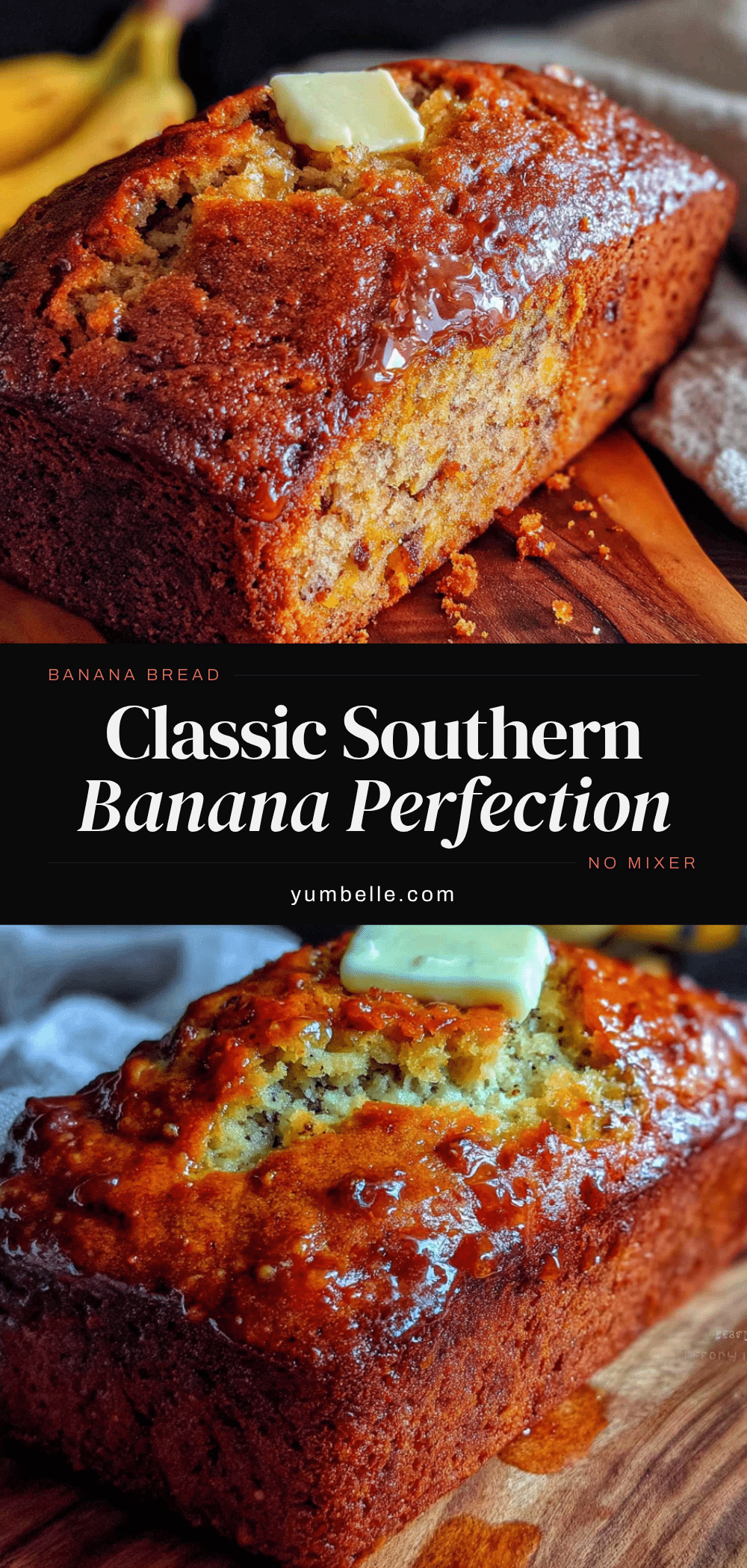
Classic Southern Banana Bread: Easy No-Mixer Recipe
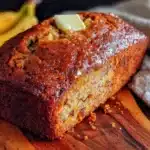
This classic Southern banana bread is made without a mixer, using simple ingredients and a gentle hand-mixing method for a tender, moist crumb. It’s the perfect quick bread for busy mornings and guaranteed to be a crowd-pleaser.
- Prep Time: 15 minutes
- Cook Time: 55-65 minutes
- Total Time: 1 hour 10 minutes to 1 hour 20 minutes
- Yield: 10 servings 1x
- Category: Dessert
- Cuisine: Southern
Ingredients
- 3 large ripe bananas, mashed (about 1½ cups)
- ⅓ cup unsalted butter, melted (75 grams)
- ¾ cup granulated sugar (150 grams)
- 1 large egg, room temperature
- 1 teaspoon vanilla extract
- 1½ cups all-purpose flour (190 grams)
- 1 teaspoon baking soda
- ¼ teaspoon salt
- ½ teaspoon ground cinnamon (optional but recommended)
- ½ cup chopped pecans or walnuts (optional)
- ½ cup chocolate chips (optional)
- ¼ cup shredded coconut (optional)
Instructions
- Preheat your oven to 350°F (175°C). Position the rack in the center of the oven. Grease a 9×5-inch loaf pan with butter or cooking spray. For extra insurance, line it with parchment paper, leaving a 2-inch overhang on the long sides.
- Mash the bananas: Place three ripe bananas in a large mixing bowl. Using a fork or potato masher, mash them until mostly smooth with a few small lumps remaining.
- Add the melted butter: Pour the melted butter over the mashed bananas and stir with a wooden spoon until combined. Let cool for a minute if needed.
- Mix in the sugar, egg, and vanilla: Add the granulated sugar and stir until well incorporated. Then add the room-temperature egg and vanilla extract. Stir until smooth and glossy.
- Combine the dry ingredients separately: In a small bowl, whisk together the all-purpose flour, baking soda, salt, and cinnamon (if using).
- Fold the dry ingredients into the wet ingredients: Add the flour mixture to the banana mixture. Use a gentle folding motion until just combined. Do not overmix.
- Fold in any add-ins: If using pecans, chocolate chips, or coconut, gently fold them in now. Reserve a handful to sprinkle on top if desired.
- Pour the batter into the prepared pan. Smooth the top with a spatula. Sprinkle reserved add-ins on top if using.
- Bake for 55-65 minutes, until a toothpick inserted into the center comes out clean or with a few moist crumbs. If the top browns too quickly, tent with aluminum foil after about 40 minutes.
- Cool in the pan for 10 minutes, then use the parchment paper to lift the bread out of the pan. Transfer to a cooling rack to cool completely, at least 1 hour.
Notes
For best results, use very ripe bananas with brown spots. Do not overmix the batter. Let the bread cool completely before slicing to prevent crumbling. Banana bread tastes even better the next day. Store at room temperature for up to 4 days or freeze for up to 3 months.
Nutrition
- Serving Size: 1 slice
- Calories: 215
- Sugar: 17
- Sodium: 220
- Fat: 8
- Saturated Fat: 5
- Carbohydrates: 34
- Fiber: 2
- Protein: 3
Keywords: banana bread, Southern banana bread, easy banana bread, no mixer banana bread, classic banana bread, moist banana bread