Love this? Save it for later!
Share the inspiration with your friends
There used to be a tiny bakery tucked between a laundromat and a used bookstore in Portland that made a sourdough pumpkin bread that ruined me for all other quick breads. When they closed three years ago—just a handwritten sign on the door one Tuesday, “Thanks for the memories”—I honestly felt a little lost. That bread had this impossible texture, a crumb that was somehow both tender and sturdy, with a tang that cut through the sweetness just enough to make you take another bite before you’d even finished the first one.
After twelve tries—twelve, let me tell you, including one that I dropped on the floor and cried over—I finally got it. The secret, as it turns out, was right there in my fridge the whole time: sourdough discard. That leftover starter I was so close to throwing out? It was the missing piece. This sourdough discard pumpkin bread is my love letter to that little bakery, and honestly, it might be even better than the original.
I mean, I never thought I’d say that. There’s something about chasing a food memory that feels a little obsessive, maybe even a little sad. But when you bite into a slice of this bread—warm, with butter melting into every crevice—you’ll understand why I kept at it. The tangy sourdough pairs with the earthy sweetness of pumpkin in a way that just works. It’s not trying to be fancy. It’s just really, really good.
Maybe you’ve been there—that moment when a recipe becomes a mission. You know the feeling when you can almost taste what you’re after, but it’s just out of reach. This recipe is the end of that search. It’s the one I make every fall without fail, the one my neighbors now text me about in September. “Is it time yet?” they ask. And it is. It finally is.
Why You’ll Love This Recipe
This isn’t just another pumpkin bread recipe floating around the internet. After testing this sourdough discard pumpkin bread more times than I care to admit—including one batch that my husband politely called “interesting”—I can tell you exactly why this one stands out. It’s the kind of recipe that makes you look like a hero in the kitchen with almost no effort.
- Uses Up Your Discard: If you keep a sourdough starter, you know the struggle of what to do with that leftover discard. This recipe turns it into something glorious instead of guiltily pouring it down the drain.
- Incredible Texture: The sourdough gives this bread a tender, almost velvety crumb that regular pumpkin bread just can’t touch. It stays moist for days—if it lasts that long.
- Perfectly Balanced Flavor: That subtle tang from the discard cuts through the sweetness of the pumpkin and spices. It’s not sour like bread—it’s more like a hint of complexity that makes you wonder what’s different.
- Simple Ingredients: You probably have everything in your pantry right now. No weird extracts, no specialty flours, just good old-fashioned baking staples.
- Forgiving Recipe: I’ve made this with active starter, with discard straight from the fridge, even with starter that was a few days old. It works every time. This recipe forgives your forgetfulness.
- Crowd-Pleaser: I brought this to a fall potluck last year and three people asked for the recipe before I’d even put my coat down. It’s that kind of bread.
What makes this version different from the dozens of other pumpkin bread recipes out there is the technique. Instead of just dumping everything in a bowl, we’re going to let the sourdough and pumpkin sit together for a few minutes before adding the dry ingredients. This little rest allows the flavors to meld and the discard to work its magic. Trust me on this one—it makes all the difference.
This bread is the kind that makes you close your eyes after the first bite. It’s comfort food reimagined—familiar enough to feel like home, but with that little something extra that makes it special. Perfect for impressing guests without stress, or turning a simple Tuesday morning into something memorable.
What Ingredients You Will Need
This sourdough discard pumpkin bread uses simple, wholesome ingredients to deliver that perfect balance of tangy and sweet. Most of these are pantry staples, which means you can whip this up whenever the craving strikes without a special trip to the store.
- All-purpose flour, 1 ¾ cups (220g) – I use King Arthur Flour for consistent results, but any good brand works. Spoon and level your flour for the most accurate measurement.
- Baking soda, 1 teaspoon – Make sure it’s fresh. Old baking soda is the number one reason quick breads turn out dense.
- Baking powder, ½ teaspoon – Just a little boost to help the bread rise alongside the soda.
- Salt, ½ teaspoon – Fine sea salt is my go-to. It balances the sweetness and enhances the pumpkin flavor.
- Pumpkin pie spice, 2 teaspoons – You can use store-bought or make your own with cinnamon, nutmeg, ginger, and cloves. I like the blend from Penzeys, but homemade is lovely too.
- Cinnamon, 1 teaspoon – Because you can never have too much cinnamon in fall baking.
- Unsalted butter, ½ cup (113g), melted and slightly cooled – Butter gives this bread that rich, tender crumb. If you only have salted butter, reduce the added salt to ¼ teaspoon.
- Granulated sugar, 1 cup (200g) – Regular white sugar keeps the bread light and sweet. Don’t substitute brown sugar here unless you want a denser, heavier loaf.
- Brown sugar, ½ cup (100g), packed – Light or dark both work. Dark brown sugar gives a deeper molasses flavor that I personally love.
- Large eggs, 2, at room temperature – Room temperature eggs blend more smoothly into the batter. If you forgot to take them out, place them in warm water for 5 minutes.
- Pumpkin purée, 1 cup (245g) – Make sure you’re using 100% pumpkin purée, not pumpkin pie filling. Libby’s is my go-to brand for consistent texture and flavor.
- Sourdough discard, 1 cup (240g), unfed and straight from the fridge – This is where the magic happens. It doesn’t need to be active or bubbly. In fact, discard that’s been sitting in the fridge for a few days works beautifully.
- Vanilla extract, 1 teaspoon – Pure vanilla extract makes a difference. Imitation works in a pinch, but the real stuff adds a warmth you can taste.
- Milk, ¼ cup (60ml) – Any milk works here. I use whole milk for richness, but I’ve made this with oat milk and it turned out great.
For the topping (optional but highly recommended):
- Pepitas (pumpkin seeds), 2 tablespoons – They add a lovely crunch and make the bread look beautiful.
- Turbinado sugar, 1 tablespoon – This coarse sugar gives a sparkly, crunchy top. Regular sugar works too, but the texture won’t be as dramatic.
Equipment Needed
You don’t need a fancy kitchen to make this sourdough discard pumpkin bread. Here’s what you’ll actually use:
- 9×5-inch loaf pan – This is the standard size. If you use an 8×4 pan, you’ll need to bake it longer. I’ve made that mistake before and ended up with a burnt top and raw middle. Not fun.
- Mixing bowls – One large bowl for the wet ingredients, one medium bowl for the dry. Nothing fancy needed.
- Whisk – For combining the dry ingredients and smoothing out the wet mixture.
- Rubber spatula – For folding the batter together. A wooden spoon works too, but a spatula gets into the corners better.
- Parchment paper – This is my non-negotiable. Line your loaf pan with a sling of parchment paper and you’ll never struggle with stuck bread again. It’s worth the extra minute.
- Cooling rack – Letting the bread cool properly prevents a soggy bottom. If you don’t have a wire rack, you can use the inverted loaf pan to prop it up, but a rack is better.
- Measuring cups and spoons – For accuracy, I recommend a kitchen scale for the flour. But cups work fine if you spoon and level properly.
I bought my loaf pan at a thrift store for two dollars, and it’s been with me through dozens of loaves. You don’t need expensive equipment. You just need to know how to use what you have.
Preparation Method
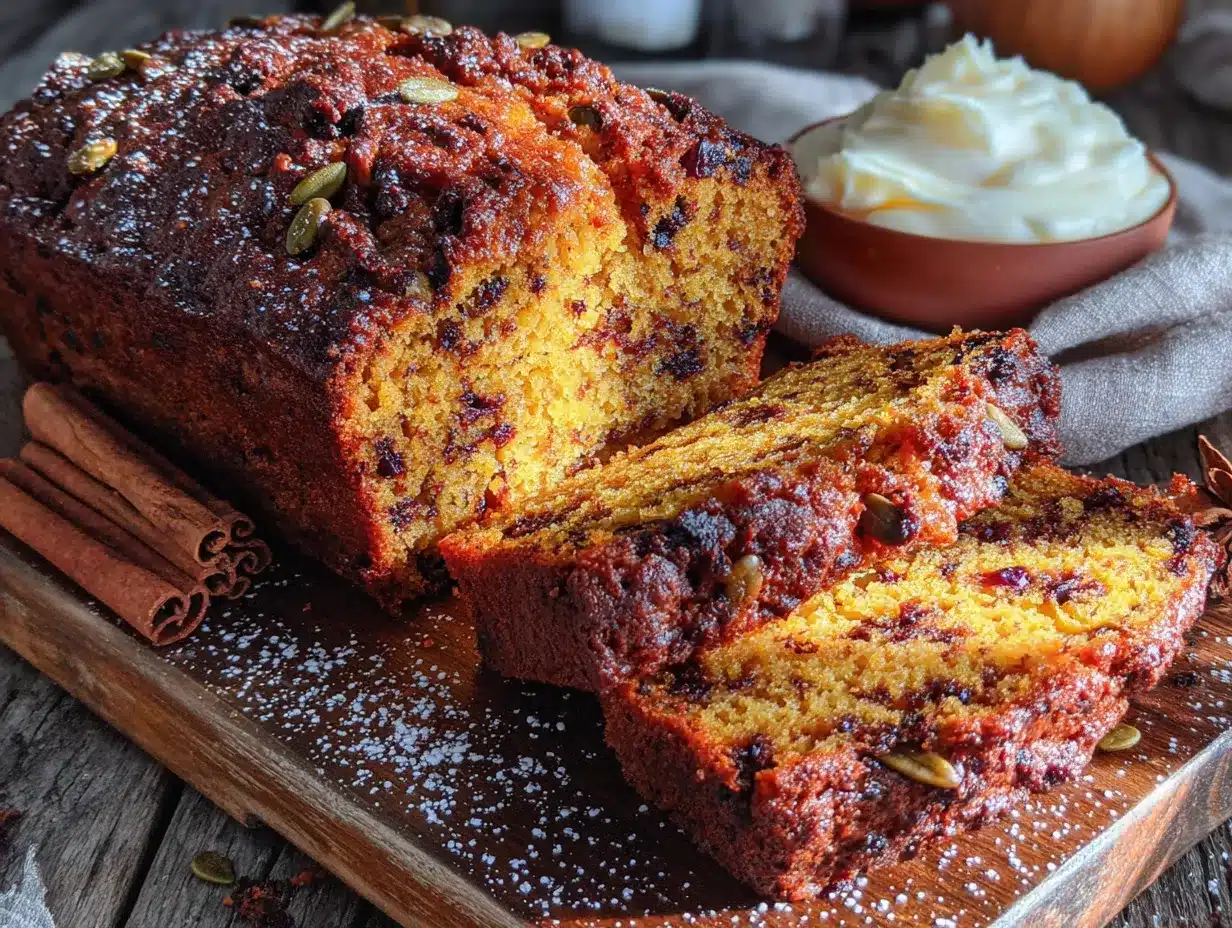
Let me walk you through this sourdough discard pumpkin bread step by step. I’ve included all the little details that make the difference between good bread and unforgettable bread.
- Preheat your oven to 350°F (175°C). Position the rack in the center of the oven. While it’s heating, line your 9×5-inch loaf pan with parchment paper, leaving an overhang on the long sides. This creates handles for lifting the bread out later. Lightly grease the exposed ends of the pan with butter or cooking spray.
- In a medium bowl, whisk together the dry ingredients: 1 ¾ cups (220g) all-purpose flour, 1 teaspoon baking soda, ½ teaspoon baking powder, ½ teaspoon salt, 2 teaspoons pumpkin pie spice, and 1 teaspoon cinnamon. Whisk until everything is evenly distributed. This ensures your bread rises evenly and every bite has the right amount of spice.
- In a large bowl, combine the melted butter and sugars. Add ½ cup (113g) melted unsalted butter, 1 cup (200g) granulated sugar, and ½ cup (100g) packed brown sugar. Whisk until smooth and well combined. It should look like wet sand. This is where I usually pause and take a deep breath—the smell alone is worth it.
- Add the eggs one at a time, whisking well after each addition. The batter should look glossy and smooth. If it looks curdled, don’t panic—it will come together once you add the pumpkin.
- Stir in the pumpkin purée, sourdough discard, vanilla, and milk. Add 1 cup (245g) pumpkin purée, 1 cup (240g) sourdough discard, 1 teaspoon vanilla extract, and ¼ cup (60ml) milk. Whisk until everything is smooth and uniform. Here’s my trick: let this mixture sit for 5 minutes before adding the dry ingredients. This gives the sourdough and pumpkin a chance to get acquainted. The batter will look a little bit like thick pancake batter, and that’s exactly right.
- Pour the wet ingredients into the dry ingredients. Use a rubber spatula to fold them together gently. Stir just until you no longer see streaks of flour. A few lumps are fine—overmixing will make the bread tough. I’ve done it before and ended up with a brick. Learn from my mistakes.
- Pour the batter into the prepared loaf pan. Use the spatula to spread it evenly. Tap the pan gently on the counter a few times to release any air bubbles. If you’re using the topping, sprinkle the pepitas and turbinado sugar evenly over the top now.
- Bake for 50-60 minutes, or until a toothpick inserted into the center comes out clean or with just a few moist crumbs. The top should be golden brown and spring back when lightly touched. Every oven is different—mine runs hot, so I start checking at 45 minutes. You’ll know it’s done when the kitchen smells like fall and the house feels warm and cozy.
- Let the bread cool in the pan for 15 minutes. Then use the parchment paper sling to lift it out and transfer it to a wire rack to cool completely. I know it’s tempting to slice into it right away, but trust me—cooling allows the crumb to set. If you cut it too soon, it will be gummy. Let it cool for at least an hour before slicing.
Cooking Tips & Techniques
After more batches of this sourdough discard pumpkin bread than I can count, I’ve learned a few things the hard way. Here are my best tips to save you from my mistakes.
Don’t skip the 5-minute rest. I know it seems like a tiny, insignificant step, but letting the wet ingredients sit before adding the flour makes a real difference. The sourdough discard starts to work on the pumpkin, and the flavors deepen. I forgot to do this once and the bread was noticeably less flavorful. It’s one of those small things that separates good baking from great baking.
Check your oven temperature. Ovens lie. They really do. I bought an oven thermometer after my bread kept burning on the bottom while the middle was still raw. Turns out my oven runs 25 degrees hot. That little thermometer cost me five dollars and saved countless loaves. If your bread is browning too quickly on top, tent it loosely with foil at the 40-minute mark.
Room temperature ingredients matter. I used to think this was just something fancy bakers said to sound important. Then I made a batch with cold eggs straight from the fridge and the batter was lumpy and the bread didn’t rise properly. Take the eggs out 30 minutes before you start. The butter should be melted anyway, so that one’s easy.
The toothpick test can lie. Sometimes a toothpick comes out clean but the bread is still underdone in the center. I’ve started using an instant-read thermometer instead. The bread is done when the internal temperature reaches 200°F (93°C). This method has never failed me. If you don’t have a thermometer, look for the bread pulling away from the sides of the pan slightly.
Let it cool completely. I cannot stress this enough. I once cut into a loaf after 20 minutes because I couldn’t wait, and it was gummy and fell apart. The bread continues to set as it cools. Patience is the hardest part of baking, but it’s also the most important.
Variations & Adaptations
One of the best things about this sourdough discard pumpkin bread is how adaptable it is. Here are some variations I’ve tried and loved.
Chocolate Chip Pumpkin Bread: Fold in ¾ cup of semi-sweet chocolate chips right before pouring the batter into the pan. The chocolate adds a richness that pairs beautifully with the pumpkin and sourdough tang. My kids beg for this version. I use Ghirardelli chips because they hold their shape and melt evenly.
Cream Cheese Swirl: Beat 4 ounces of softened cream cheese with 2 tablespoons of sugar and 1 egg yolk. Pour half the pumpkin batter into the pan, dollop the cream cheese mixture on top, then add the remaining batter. Use a knife to swirl it gently. This makes the bread feel fancy enough for company, but it’s still just as easy to make.
Gluten-Free Version: Substitute the all-purpose flour with a good 1:1 gluten-free baking flour blend. I’ve used Bob’s Red Mill 1-to-1 Baking Flour with great results. The texture will be slightly more crumbly, but the flavor is still spot-on. Add an extra tablespoon of milk if the batter seems too thick.
Vegan Adaptation: Replace the eggs with flax eggs (2 tablespoons ground flaxseed mixed with 6 tablespoons water, let sit for 5 minutes). Use melted coconut oil instead of butter, and your favorite plant-based milk. The bread will be a bit denser but still delicious. I made this for a friend who’s vegan and she asked for the recipe immediately.
Spiced-Up Version: Add ¼ teaspoon of cardamom and a pinch of black pepper to the spice mix. The cardamom adds an unexpected floral note, and the pepper brings warmth without heat. This is my secret weapon for fall baking. Try it once and you’ll never go back.
Serving & Storage Suggestions
This sourdough discard pumpkin bread is wonderful in so many ways. Here’s how to make the most of it.
Serving: I love this bread warm, with a generous pat of salted butter melting into every slice. It’s also fantastic toasted the next day—the edges get crispy while the inside stays tender. For a special treat, spread a little honey or maple butter on top. Serve it alongside a hot cup of coffee or chai tea for the ultimate fall breakfast or afternoon snack.
Storage: Wrap the cooled bread tightly in plastic wrap or aluminum foil and store at room temperature for up to 4 days. The flavor actually improves after the first day as the sourdough tang mellows and the spices settle. If you live in a humid climate, store it in an airtight container instead to prevent mold.
Freezing: This bread freezes beautifully. Slice it first, then wrap each slice individually in plastic wrap and place them in a freezer bag. They’ll keep for up to 3 months. When you want a slice, just pop it in the toaster or microwave for 30 seconds. This is my secret to having homemade pumpkin bread all winter long without making a new batch every week.
Reheating: For the best texture, reheat slices in a 300°F (150°C) oven for 5-7 minutes. The microwave works in a pinch, but it can make the bread a bit rubbery. If you’re in a hurry, toast it—the contrast between the crispy outside and soft inside is wonderful.
One thing I’ve noticed: this bread gets better on day two. The flavors meld together and the texture evens out. So if you can resist eating it all on day one, you’re in for a real treat on day two.
Nutritional Information & Benefits
This sourdough discard pumpkin bread is a treat, but it also has some redeeming qualities. Here’s a rough estimate per slice (based on 10 slices):
| Nutrient | Amount per slice |
|---|---|
| Calories | 285 |
| Total Fat | 11g |
| Saturated Fat | 6g |
| Carbohydrates | 42g |
| Fiber | 2g |
| Sugar | 24g |
| Protein | 5g |
| Vitamin A | 95% DV |
Pumpkin is packed with vitamin A, which is great for eye health and immune function. The sourdough fermentation process also makes the bread easier to digest for some people, since the fermentation breaks down some of the gluten and phytic acid. It’s not a health food, but it’s not empty calories either. It’s the kind of treat that feels good to eat because it’s made with real ingredients and a little bit of love.
If you’re watching your sugar intake, you can reduce the granulated sugar to ¾ cup without sacrificing too much texture. The bread will be slightly less sweet, but the pumpkin and spices will still shine through.
Conclusion
This sourdough discard pumpkin bread is more than just a recipe—it’s the answer to that craving you didn’t even know you had. It’s the bread that makes your kitchen smell like fall, that makes your neighbors text you asking when you’re baking again, that makes you feel like you’ve finally cracked the code on something special.
I’ve made this bread in good times and bad times. I’ve made it when I was happy, when I was sad, when I just needed something to go right. And it always delivers. There’s something deeply satisfying about turning something you might have thrown away—sourdough discard—into something so delicious. It feels like a small victory every time.
I’d love to hear how yours turns out. Did you add chocolate chips? Did you try the cream cheese swirl? Did you eat the whole loaf in one day like I definitely have never done? Leave a comment below and let me know. And if you share it on social media, tag me—I want to see your beautiful bread.
Happy baking, friends. May your loaves rise high and your butter be soft.
Frequently Asked Questions
Can I use active sourdough starter instead of discard?
Yes, absolutely. If you use active starter, you might notice the bread rises a bit more and has a slightly milder tang. The texture will be similar, so feel free to use whatever you have on hand. I’ve made this with both and honestly, the difference is subtle.
How do I know when the bread is fully baked?
The most reliable method is using an instant-read thermometer. The bread is done when the internal temperature reaches 200°F (93°C). If you don’t have a thermometer, insert a toothpick into the center—it should come out clean or with just a few moist crumbs. The top should be golden brown and spring back when lightly touched.
Can I make this into muffins instead of a loaf?
Definitely. Grease a muffin tin and fill each cup about ¾ full. Bake at 350°F (175°C) for 18-22 minutes, or until a toothpick comes out clean. This makes about 12-14 muffins. They’re perfect for grab-and-go breakfasts or lunchbox treats.
Why did my bread sink in the middle?
This usually happens for one of three reasons: the oven temperature was too low, the bread was underbaked, or the batter was overmixed. Make sure your oven is fully preheated and use an oven thermometer to check accuracy. Also, fold the dry ingredients in gently—overmixing develops too much gluten and can cause the bread to collapse.
Can I use fresh pumpkin instead of canned?
You can, but you’ll need to roast and purée it first, then drain off as much liquid as possible. Fresh pumpkin has more water than canned, which can make the bread dense and soggy. If you’re using fresh pumpkin, reduce the milk to 2 tablespoons to compensate for the extra moisture. Honestly, canned pumpkin is more consistent and works perfectly here.
Pin This Recipe!
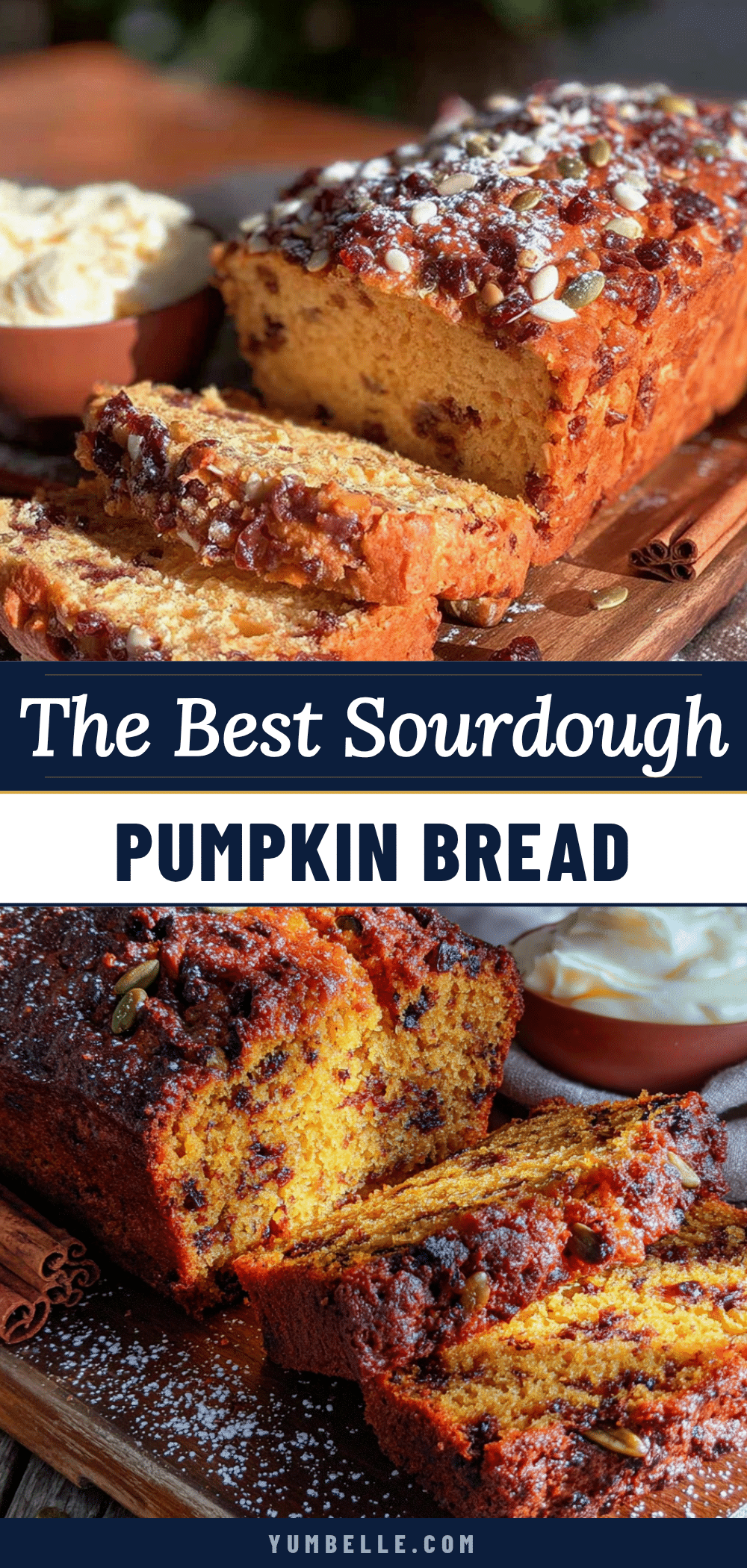
50 Best Sourdough Discard Pumpkin Bread Recipes for Fall
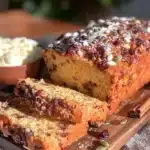
This sourdough discard pumpkin bread is a love letter to a beloved bakery, featuring a tender, velvety crumb with a subtle tang that perfectly balances the sweetness of pumpkin and spices. It’s the ultimate fall treat that uses up your sourdough discard and delivers incredible flavor with simple ingredients.
- Prep Time: 15 minutes
- Cook Time: 55 minutes
- Total Time: 1 hour 10 minutes
- Yield: 10 servings 1x
- Category: Dessert
- Cuisine: American
Ingredients
- 1 ¾ cups (220g) all-purpose flour
- 1 teaspoon baking soda
- ½ teaspoon baking powder
- ½ teaspoon salt
- 2 teaspoons pumpkin pie spice
- 1 teaspoon cinnamon
- ½ cup (113g) unsalted butter, melted and slightly cooled
- 1 cup (200g) granulated sugar
- ½ cup (100g) packed brown sugar
- 2 large eggs, at room temperature
- 1 cup (245g) pumpkin purée
- 1 cup (240g) sourdough discard, unfed and straight from the fridge
- 1 teaspoon vanilla extract
- ¼ cup (60ml) milk
- 2 tablespoons pepitas (pumpkin seeds) for topping (optional)
- 1 tablespoon turbinado sugar for topping (optional)
Instructions
- Preheat your oven to 350°F (175°C). Position the rack in the center of the oven. Line a 9×5-inch loaf pan with parchment paper, leaving an overhang on the long sides. Lightly grease the exposed ends of the pan with butter or cooking spray.
- In a medium bowl, whisk together the dry ingredients: 1 ¾ cups (220g) all-purpose flour, 1 teaspoon baking soda, ½ teaspoon baking powder, ½ teaspoon salt, 2 teaspoons pumpkin pie spice, and 1 teaspoon cinnamon. Whisk until evenly distributed.
- In a large bowl, combine the melted butter and sugars: ½ cup (113g) melted unsalted butter, 1 cup (200g) granulated sugar, and ½ cup (100g) packed brown sugar. Whisk until smooth and well combined.
- Add the eggs one at a time, whisking well after each addition. The batter should look glossy and smooth.
- Stir in the pumpkin purée, sourdough discard, vanilla, and milk: 1 cup (245g) pumpkin purée, 1 cup (240g) sourdough discard, 1 teaspoon vanilla extract, and ¼ cup (60ml) milk. Whisk until smooth. Let this mixture sit for 5 minutes before adding the dry ingredients.
- Pour the wet ingredients into the dry ingredients. Use a rubber spatula to fold them together gently until just combined. A few lumps are fine—do not overmix.
- Pour the batter into the prepared loaf pan. Spread evenly with the spatula. Tap the pan gently on the counter a few times to release air bubbles. If using, sprinkle pepitas and turbinado sugar evenly over the top.
- Bake for 50-60 minutes, or until a toothpick inserted into the center comes out clean or with just a few moist crumbs. The top should be golden brown and spring back when lightly touched. For accuracy, the internal temperature should reach 200°F (93°C).
- Let the bread cool in the pan for 15 minutes. Then use the parchment paper sling to lift it out and transfer to a wire rack to cool completely. Let cool for at least 1 hour before slicing.
Notes
Let the wet ingredients sit for 5 minutes before adding dry ingredients to deepen flavor. Use an oven thermometer to ensure accurate temperature. For best texture, let the bread cool completely before slicing. The bread gets better on day two as flavors meld.
Nutrition
- Serving Size: 1 slice
- Calories: 285
- Sugar: 24
- Sodium: 280
- Fat: 11
- Saturated Fat: 6
- Carbohydrates: 42
- Fiber: 2
- Protein: 5
Keywords: sourdough discard, pumpkin bread, fall baking, quick bread, sourdough pumpkin bread, pumpkin recipe, sourdough discard recipe