Love this? Save it for later!
Share the inspiration with your friends
There used to be a tiny bakery on the corner of Elm and 4th in my old neighborhood that made the most incredible peanut butter banana muffins. They were dense, sweet, and absolutely perfect with a cup of black coffee. When they closed three years ago—turned into a vape shop, if you can believe it—I felt a real, almost embarrassing sense of loss. I mean, I literally mourned those muffins. After 12 tries—some that were dry enough to use as doorstops, others that collapsed into sad, sugary puddles—I finally got it. But I wanted something I could feel good about eating every single day, not just a weekend splurge. That’s when I started messing around with protein powder and ripe bananas, trying to capture that same fluffy texture without the sugar crash.
You know that feeling when you take a bite of something and it’s so good you have to stop and just stare at it for a second? That’s these muffins. Honestly, the first time I pulled a batch out of the oven, my kitchen smelled exactly like that old bakery. I may have actually teared up a little. The secret was getting the moisture ratio just right—too much banana and they’re gummy, too much protein powder and they’re hockey pucks. But after burning through five pounds of almond flour and a dozen overripe bananas, I cracked the code. These fluffy no-sugar peanut butter banana protein muffins are the result of that obsession, and I’ve been making them every Sunday for the past eight months without fail.
Maybe you’ve been there—staring at a bunch of spotty bananas on your counter, knowing you should make something healthy but craving that bakery-style muffin experience. I see you. These muffins are for those mornings when you need something quick, satisfying, and actually good for you. They’re for the 3 PM slump when you’re tempted to grab a granola bar that’s basically candy in disguise. And they’re for anyone who’s ever thought protein muffins have to taste like cardboard. Spoiler alert: they don’t. Not even close.
Why You’ll Love This Recipe
Let me tell you, after testing this recipe for months, I can confidently say these are the best protein muffins I’ve ever made. They’re not just good “for a healthy muffin”—they’re genuinely delicious. Here’s why this recipe is a total game-changer for your meal prep rotation:
- Quick & Easy: From start to finish, these come together in under 30 minutes. I’ve made them on busy school mornings and even after a late workout when I needed something fast. No stand mixer required, just one bowl and a whisk.
- Simple Ingredients: You probably already have most of these in your pantry right now. Ripe bananas, peanut butter, eggs, protein powder—that’s it. No weird specialty items or expensive superfood powders.
- Perfect for Meal Prep: These muffins freeze beautifully. I make a double batch on Sundays and grab one on my way out the door all week. They’re my secret weapon for avoiding the office vending machine.
- Crowd-Pleaser: I brought these to a brunch potluck last month, and three different people asked for the recipe before I even sat down. My kids devour them, and my husband—who swears he hates healthy baking—eats two at a time.
- Unbelievably Fluffy: This is the part that took me the longest to figure out. Most protein muffins are dense and rubbery, but these have that light, tender crumb you’d expect from a regular bakery muffin. The trick is the banana-egg combination and the way you fold in the dry ingredients.
What makes this version different from all the other healthy muffin recipes out there? It’s the texture, hands down. I spent weeks experimenting with different protein powders, flour ratios, and mixing methods until I found the perfect balance. This isn’t just another “clean eating” recipe that sacrifices taste for health—it’s the real deal. The peanut butter and banana create a natural sweetness that means you genuinely don’t need added sugar. And the protein powder adds structure without making things dry.
These muffins are the kind of thing that makes you feel good about eating breakfast. They’re satisfying enough to keep you full until lunch, but light enough that you don’t feel weighed down. Honestly, they’ve become my go-to for everything from post-run refueling to afternoon tea with friends. If you’ve been searching for a healthy snack that actually tastes like a treat, this is it.
What Ingredients You Will Need
This recipe uses simple, wholesome ingredients that work together to create that perfect fluffy texture and rich flavor. The beauty of these muffins is that everything pulls double duty—the bananas add sweetness and moisture, the peanut butter provides richness and protein, and the eggs give structure without making things heavy.
- Ripe Bananas (3 medium, about 1 cup mashed): The riper the better! Those spotty brown bananas that are almost too soft to eat are exactly what you want here. They add natural sweetness and keep the muffins incredibly moist. I actually keep a bag of peeled, frozen overripe bananas in my freezer just for baking.
- Creamy Peanut Butter (½ cup, 130g): Use a natural peanut butter that’s just peanuts and salt—no added sugar or hydrogenated oils. I’ve tested this with Skippy Natural and Kirkland organic, and both work great. If your peanut butter is super thick and dry, add an extra tablespoon of milk to compensate.
- Large Eggs (2, room temperature): Room temperature eggs incorporate more air into the batter, which helps create that fluffy texture. If you forget to take them out of the fridge, just place them in a bowl of warm water for 5 minutes.
- Vanilla Protein Powder (1 scoop, about 30g): I use a whey-caseln blend for the best texture, but plant-based protein powders work too. Just note that pea protein can make the muffins slightly denser and more earthy in flavor. My personal favorite is Orgain vanilla for a clean taste.
- Almond Flour (1 cup, 112g): This is the secret to keeping these muffins gluten-free and tender. Almond flour adds healthy fats and a subtle nutty flavor. I recommend Bob’s Red Mill or Kirkland brand for consistent results. Do not substitute with coconut flour—it absorbs too much liquid and will ruin the texture.
- Baking Soda (1 teaspoon): This is your leavening agent. Make sure it’s fresh—old baking soda won’t give you that nice rise. If you’re unsure, test it by dropping a little into vinegar; it should fizz vigorously.
- Baking Powder (½ teaspoon): The double action helps the muffins rise in the oven. I use aluminum-free baking powder to avoid any metallic aftertaste.
- Salt (¼ teaspoon): Even though peanut butter contains salt, a little extra enhances all the flavors. I use fine sea salt.
- Unsweetened Almond Milk (2-3 tablespoons, 30-45ml): This is optional, but add it if your batter seems too thick. Different protein powders absorb moisture differently, so you may need more or less. Start with 2 tablespoons and add more if needed.
- Optional Mix-Ins: Dark chocolate chips (sugar-free if you want to keep it completely no-sugar), chopped walnuts, or a sprinkle of flaky sea salt on top before baking. I always add chocolate chips because, well, life is short.
Equipment Needed
You don’t need a fancy kitchen to make these muffins, which is one of the reasons I love this recipe so much. Here’s what you’ll need:
- Muffin Tin: A standard 12-cup muffin tin works perfectly. I use a non-stick one from Wilton that I’ve had for years. If yours is old and sticky, definitely use liners.
- Muffin Liners: I prefer parchment paper liners because they peel off cleanly without sticking. Paper liners work too, but spray them lightly with cooking spray first.
- Mixing Bowls: One large bowl for the wet ingredients and one medium bowl for the dry ingredients. Any set will do—I use my grandmother’s old Pyrex bowls because they make me feel like a real baker.
- Whisk and Spatula: A whisk for combining the wet ingredients and a silicone spatula for folding everything together. The spatula is crucial for scraping the sides of the bowl and getting every last bit of batter.
- Measuring Cups and Spoons: Accurate measurements matter in baking, especially with protein powder. I use metal measuring cups for dry ingredients and a glass liquid measuring cup for the milk.
- Ice Cream Scoop or Cookie Scoop: This makes filling the muffin cups so much cleaner and more consistent. A #20 scoop (about 3 tablespoons) gives you perfectly even muffins every time.
- Cooling Rack: Essential for letting the muffins cool properly so they don’t get soggy on the bottom. If you don’t have one, you can use the oven rack turned upside down—trust me, I’ve done it.
Preparation Method
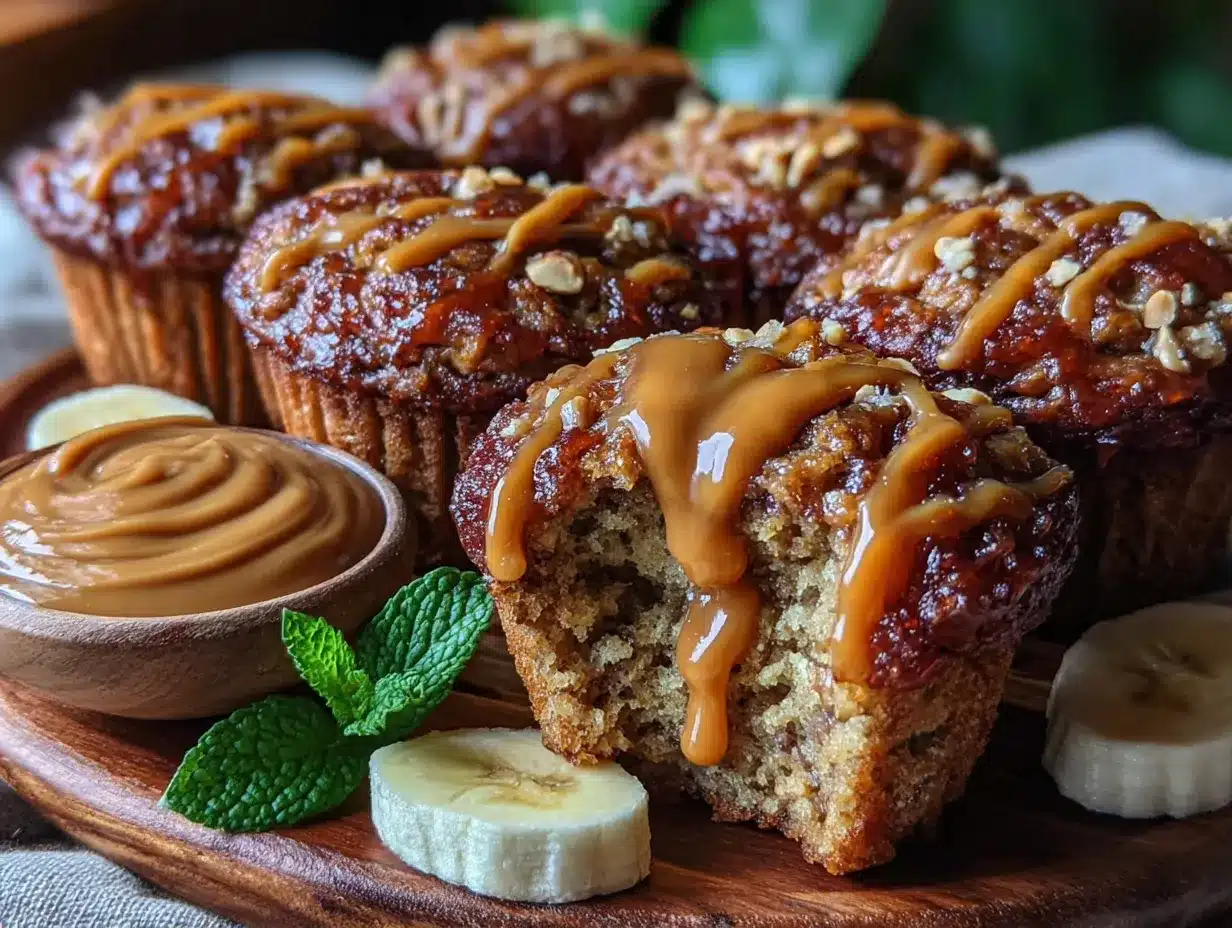
Let me walk you through this step by step. I’ve made these muffins so many times that I could do it with my eyes closed, but I’ll share all the little tricks I’ve learned along the way.
- Preheat and Prep: Preheat your oven to 350°F (175°C). Line a 12-cup muffin tin with parchment liners or spray the cups generously with non-stick cooking spray. I learned the hard way that skipping the spray on paper liners leads to half the muffin sticking to the liner—not a good look.
- Mash the Bananas: In a large mixing bowl, mash the three ripe bananas with a fork until they’re mostly smooth but still have a few small chunks. You want about 1 cup of mashed banana. The chunks add little pockets of sweetness in the finished muffins. Don’t use a blender or food processor—you’ll end up with a liquid mess.
- Combine Wet Ingredients: Add the ½ cup of peanut butter and 2 room-temperature eggs to the mashed bananas. Whisk everything together until it’s smooth and well combined. The mixture should look thick and glossy. If your peanut butter is cold and stiff, microwave it for 15 seconds to soften it first.
- Mix Dry Ingredients: In a separate medium bowl, whisk together 1 cup of almond flour, 1 scoop of vanilla protein powder, 1 teaspoon of baking soda, ½ teaspoon of baking powder, and ¼ teaspoon of salt. Whisking ensures everything is evenly distributed—no one wants a pocket of baking soda in their muffin.
- Combine Wet and Dry: Gradually add the dry ingredients to the wet mixture, folding gently with a silicone spatula. This is where patience matters. Fold just until the flour disappears—overmixing will develop the gluten in the almond flour and make the muffins tough. The batter should be thick but scoopable. If it looks too dry, add 2-3 tablespoons of almond milk, one at a time, until it reaches the right consistency.
- Add Mix-Ins: If you’re using chocolate chips or nuts, fold them in now. I usually add about ¼ cup of dark chocolate chips because the slight bitterness pairs perfectly with the sweet banana. Reserve a few chips to press into the tops of the muffins before baking—it makes them look prettier.
- Fill the Muffin Cups: Using your cookie scoop or a spoon, divide the batter evenly among the 12 muffin cups. Each cup should be about ¾ full. The batter doesn’t rise dramatically, so don’t worry about overflow. If you want taller muffins, fill them all the way to the top—you’ll get about 10 instead of 12.
- Bake: Place the muffin tin in the preheated oven and bake for 15-18 minutes. At the 15-minute mark, start checking for doneness. Insert a toothpick into the center of a muffin—if it comes out clean or with just a few moist crumbs, they’re done. If it’s wet with batter, give them another 2-3 minutes. The tops should be golden brown and spring back when lightly touched.
- Cool: Let the muffins cool in the tin for 5 minutes. This allows them to set properly. Then transfer them to a wire rack to cool completely. I know it’s tempting to eat one right away, but they’re much better after they’ve cooled for at least 10 minutes. The texture firms up and the flavors meld together.
Cooking Tips & Techniques
After making these muffins dozens of times, I’ve collected a few tricks that make a real difference. Here’s what I wish someone had told me when I first started experimenting with protein baking.
Don’t Overmix the Batter: This is the number one mistake people make with these muffins. Once you add the dry ingredients, mix just until everything comes together. A few streaks of flour are totally fine—they’ll disappear as the muffins bake. Overmixing activates the proteins in the almond flour and creates a dense, rubbery texture that no amount of banana can fix.
Check Your Protein Powder: Every protein powder behaves differently. Whey protein tends to make muffins lighter and fluffier, while plant-based powders can make them denser and more crumbly. If you’re using a new brand, start with ¾ scoop and add more if the batter seems too wet. I once used a cheap vanilla protein powder that made the muffins taste like artificial sweetener—never again. Stick with a brand you trust.
Room Temperature Ingredients Matter: I know it’s annoying to wait for eggs to come to room temperature, but it really does make a difference. Cold eggs seize up the peanut butter and create a lumpy batter. Leave your eggs on the counter for 30 minutes before you start, or place them in a bowl of warm water for 5 minutes if you’re in a hurry.
Use a Cookie Scoop for Even Muffins: This simple tool ensures every muffin is the same size, which means they all bake evenly. No more burnt edges on the small ones and raw centers on the big ones. A #20 scoop (about 3 tablespoons) is perfect for these muffins.
Let Them Cool Completely: I cannot stress this enough. Protein muffins are more delicate than regular muffins when they’re hot. If you try to remove them from the tin too soon, they’ll fall apart in your hands. Give them that 5-minute rest in the pan, then transfer to a wire rack and walk away for at least 10 more minutes. The wait is worth it.
Variations & Adaptations
One of the best things about this recipe is how versatile it is. I’ve experimented with all sorts of variations, and here are some of my favorites:
- Chocolate Peanut Butter Version: Replace 2 tablespoons of almond flour with unsweetened cocoa powder. Add ¼ cup of sugar-free chocolate chips. The result is a rich, fudgy muffin that tastes like dessert for breakfast. I’ve made these for birthday parties and no one guessed they were healthy.
- Vegan Adaptation: Substitute the eggs with flax eggs (2 tablespoons ground flaxseed mixed with 6 tablespoons water, let sit for 5 minutes). Use a plant-based protein powder and ensure your chocolate chips are dairy-free. The texture will be slightly denser, but still delicious. I’ve made these for my vegan sister-in-law and she asked for the recipe immediately.
- Nut-Free Option: Replace the peanut butter with sunflower seed butter (sunbutter) and use oat flour instead of almond flour. Note that sunbutter can turn green when baked due to a natural reaction—don’t panic, it’s harmless and tastes fine. I’ve made these for school lunchboxes and they passed the kid test.
- Berry Burst Muffins: Fold in ½ cup of fresh or frozen blueberries or raspberries. Toss the berries in a tablespoon of almond flour first to prevent them from sinking to the bottom. The tartness of the berries balances the sweet banana beautifully.
- Spiced Pumpkin Version: Substitute ½ cup of mashed banana with ½ cup of pumpkin puree. Add 1 teaspoon of pumpkin pie spice and ½ teaspoon of cinnamon. These taste like fall in a muffin cup. I make these every October and they disappear within days.
Serving & Storage Suggestions
These muffins are incredibly versatile when it comes to serving. Here’s how I enjoy them and how to keep them fresh:
Serving: I love these muffins slightly warm, right out of the oven. The peanut butter gets all melty and the banana flavor is at its peak. For a quick breakfast, I’ll microwave one for 15 seconds and spread a little extra peanut butter on top. They’re also amazing crumbled over Greek yogurt with a drizzle of honey—it’s like a deconstructed muffin parfait. For an afternoon snack, I pair one with a cup of cold brew coffee and honestly, it’s my favorite 10 minutes of the day.
Storage: Store the muffins in an airtight container at room temperature for up to 3 days. If your kitchen is warm, keep them in the fridge—they’ll last up to a week. I stack them with a piece of paper towel between layers to absorb any excess moisture. Pro tip: don’t store them in a plastic bag or they’ll get soggy.
Freezing: These muffins freeze like champions. Let them cool completely, then place them in a single layer on a baking sheet and freeze for 1 hour. Once they’re solid, transfer them to a freezer-safe bag or container. They’ll keep for up to 3 months. To thaw, just leave one on the counter for 30 minutes or microwave for 20-30 seconds. I always keep a stash in my freezer for busy mornings or last-minute guests.
Reheating: The best way to reheat is in the microwave for 15-20 seconds. If you’re reheating from frozen, go for 30-40 seconds. You can also pop them in a 300°F oven for 5-7 minutes if you want that just-baked texture. The flavor actually improves after a day or two—the banana and peanut butter flavors meld together and become even more pronounced.
Nutritional Information & Benefits
Here’s the nutritional breakdown per muffin (based on 12 muffins, without optional mix-ins):
| Nutrient | Amount Per Muffin |
|---|---|
| Calories | 165 |
| Protein | 10g |
| Carbohydrates | 14g |
| Fiber | 3g |
| Sugar | 6g (all natural from banana) |
| Fat | 9g |
| Saturated Fat | 1.5g |
These muffins are packed with nutritional benefits. The bananas provide potassium and vitamin B6, which support heart health and energy metabolism. The peanut butter adds healthy monounsaturated fats and protein that keep you full and satisfied. Almond flour is rich in vitamin E, a powerful antioxidant, and magnesium, which helps with muscle function and sleep quality. The protein powder gives you that extra boost for muscle repair and recovery, making these an excellent post-workout snack. Plus, since there’s no added sugar, you avoid the energy crash that comes with traditional muffins. These are gluten-free, and with the vegan adaptation, they can be dairy-free and egg-free as well. Just note that they contain peanuts and tree nuts (almonds), so they’re not suitable for those with nut allergies.
Conclusion
These fluffy no-sugar peanut butter banana protein muffins have honestly become a staple in my kitchen. They’re the recipe I turn to when I need something quick, satisfying, and genuinely good for me. After all those failed attempts in my tiny apartment kitchen, this version is the one that finally captured what I was looking for—a muffin that feels like a treat but fuels my body like a proper meal. I love that I can customize them based on what I have in my pantry, and they never fail to make my morning feel a little more special.
I really hope you give these a try. Don’t be afraid to experiment with the variations I mentioned—some of my best discoveries came from accidental substitutions. And if you make them, I’d love to hear how they turned out! Drop a comment below and let me know what mix-ins you used or if you found a new favorite variation. Share this recipe with a friend who’s always looking for healthy snack ideas, and tag me in your photos on social media—I love seeing your creations. Happy baking, friends!
Frequently Asked Questions
Can I use a different nut butter instead of peanut butter?
Absolutely! Almond butter, cashew butter, or even tahini work great. Just keep in mind that different nut butters have different moisture levels. If yours is thicker, you might need to add an extra tablespoon of almond milk to the batter.
Why did my muffins turn out dry?
This usually happens for one of three reasons: too much protein powder, not enough banana, or overbaking. Make sure your bananas are very ripe and measure them accurately. Also, check your oven temperature—some ovens run hot, so your muffins might be done at 15 minutes instead of 18.
Can I make these without protein powder?
Yes, but the texture will be different. Replace the protein powder with an additional ¼ cup of almond flour and 2 tablespoons of oat flour. The protein content will be lower, but they’ll still be delicious and fluffy.
How do I make these muffins dairy-free?
They’re already dairy-free if you use a plant-based protein powder and skip the chocolate chips (or use dairy-free chips). The almond milk I recommend is unsweetened and dairy-free. Just double-check your peanut butter label to make sure it doesn’t contain any milk solids.
Can I double this recipe?
Definitely! I do it all the time. Just be careful not to overmix the larger batch. I recommend mixing the wet and dry ingredients separately, then combining them in two batches. This ensures everything is evenly incorporated without overworking the batter.
Pin This Recipe!
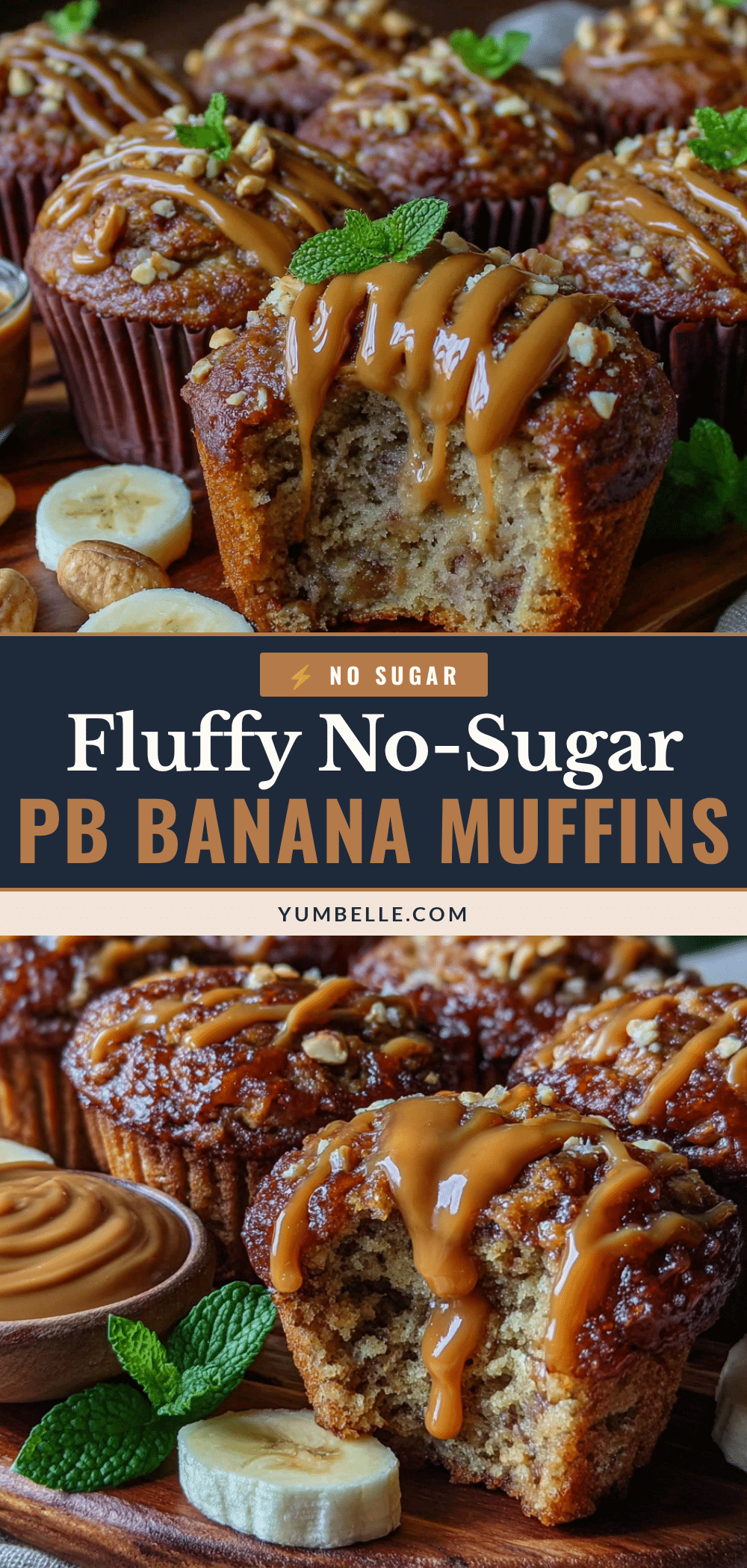
Fluffy No-Sugar Peanut Butter Banana Protein Muffins: Best Healthy Snack
These fluffy no-sugar peanut butter banana protein muffins are a healthy, delicious snack that tastes like a bakery treat. Made with simple ingredients like ripe bananas, peanut butter, and protein powder, they’re perfect for meal prep and freeze beautifully.
- Prep Time: 10 minutes
- Cook Time: 18 minutes
- Total Time: 28 minutes
- Yield: 12 muffins 1x
- Category: Snack
- Cuisine: American
Ingredients
- 3 medium ripe bananas (about 1 cup mashed)
- ½ cup creamy peanut butter (130g)
- 2 large eggs, room temperature
- 1 scoop vanilla protein powder (about 30g)
- 1 cup almond flour (112g)
- 1 teaspoon baking soda
- ½ teaspoon baking powder
- ¼ teaspoon fine sea salt
- 2–3 tablespoons unsweetened almond milk (30-45ml, optional)
- Optional mix-ins: dark chocolate chips (sugar-free), chopped walnuts, flaky sea salt
Instructions
- Preheat oven to 350°F (175°C). Line a 12-cup muffin tin with parchment liners or spray generously with non-stick cooking spray.
- In a large mixing bowl, mash the ripe bananas with a fork until mostly smooth with a few small chunks (about 1 cup).
- Add peanut butter and room-temperature eggs to the mashed bananas. Whisk until smooth and glossy.
- In a separate medium bowl, whisk together almond flour, vanilla protein powder, baking soda, baking powder, and salt.
- Gradually add dry ingredients to wet mixture, folding gently with a silicone spatula just until combined. If batter is too dry, add 2-3 tablespoons almond milk one at a time.
- Fold in optional mix-ins (e.g., ¼ cup dark chocolate chips). Reserve a few to press into tops.
- Divide batter evenly among 12 muffin cups, filling each about ¾ full.
- Bake for 15-18 minutes, until a toothpick inserted in center comes out clean or with a few moist crumbs. Tops should be golden and spring back when touched.
- Cool in tin for 5 minutes, then transfer to a wire rack to cool completely (at least 10 minutes).
Notes
Don’t overmix the batter to avoid dense muffins. Use very ripe bananas for natural sweetness. Room temperature eggs incorporate more air. Check protein powder brand as moisture absorption varies. Let muffins cool completely before removing from tin to prevent breakage.
Nutrition
- Serving Size: 1 muffin
- Calories: 165
- Sugar: 6
- Sodium: 200
- Fat: 9
- Saturated Fat: 1.5
- Carbohydrates: 14
- Fiber: 3
- Protein: 10
Keywords: protein muffins, no sugar, peanut butter banana, healthy snack, gluten-free, meal prep